


I have been a photographer for a long time (does photographing President Kennedy count?) and throughout these several decades I have tried to match the gear I was using to the project I was working on. For a long time, early on, I had but a single Pentax H3v, a sweet camera that had one of the best shutter noises of any camera I can remember. Then I managed to get my first Nikon while in college, and expanded that through a series of Fs and Nikkormats, until my swap to Canon in 1978. I feel like I have done a good deal of history with those Canon film cameras (AE-1, F1, EF, T90, Elan…. ah, the list goes on…) and eventually settled on the 5D, and 6D digital cameras. When I was fit as a fiddle (there was about a two week period in 1982) I could carry all the stuff which we THOUGHT we needed to do the job. Two zooms, short and long, a few primes, and usually three or four bodies. The main thing about the extra bodies was having 3 or 4 rolls of film to shoot at a time. Being artsy with a solo Leica M4 and a 35mm lens was great, but if the fit hit the shan, you needed to have enough film to be able to get whatever the key sequences were. That usually meant having several camera bodies loaded with what now seem like quaint little bitty rolls of 36 exposures. It meant you could shoot a lot more before you had to stop and change film.
Gravity remains a force to be reckoned with, and no less so when you have to carry a whole suite of camera gear. Eventually I was looking for something with great quality, and which wouldn’t turn my beaten up body into a mere shadow of my former self after schlepping them for a long day. I always preferred the “smaller form” bodies anyway, since the big ‘professional’ cameras (D4, Eos 1Dx) were so heavy, that even though they would be great for shooting a sports sequence, they weren’t really designed to be carried in large numbers for a long day.
The last few years has seen some amazing changes in camera design, in both standard mirror-ed digital gear, and the revolutionary mirrorless* camera bodies (*that is aptly the new buzz word of this photographic decade.) I had a chance to get my hands on a pair of Samsung NX1 bodies, their two main pro zoom lenses, and a couple of primes, recently to try out this idea of shooting through the lens without a mirror. In a word, it’s quite extraordinary: much smaller in size and weight, and yet amazingly crisp in the finder. You’re no longer looking through the lens via a moving mirror. Now, the mini screen in the finder gives you that same “through the lens” view, but on a high rez screen in the eyepiece. It takes a bit of getting used to, like all new techniques. But with the extremely speedy auto focus that the camera employs, you very quickly understand that what you see in the finder is really what the camera is seeing. The NX1 has a quick release (you know all those annoying delays on Point/Shoot cameras?… not here) Look, there are a heck of a lot of great cameras out there. Not every camera is for every photographer. It’s a personal choice, but the main thing is.. find something you like, that works for you, and spend enough time with it in hand that both you and the camera evolve into one. The NX1 has a lot going for it. A super crisp 28 megapixel chip which gives you astonishing files. You can blow them way, way up, and they hold together beautifully. I was a guy who always shot the slowest films available (Velvia, Kodachrome) and I tend to try and shoot with low ISO’s on my digital cameras, but its nice knowing you have the horsepower to go high. It’s tough to tell a picture shot at 3200 from one shot at 400. If you need the speed, it’s there. One other thing which is, for me, a key feature. In High-speed mode, the camera will shoot 15 frames per second.
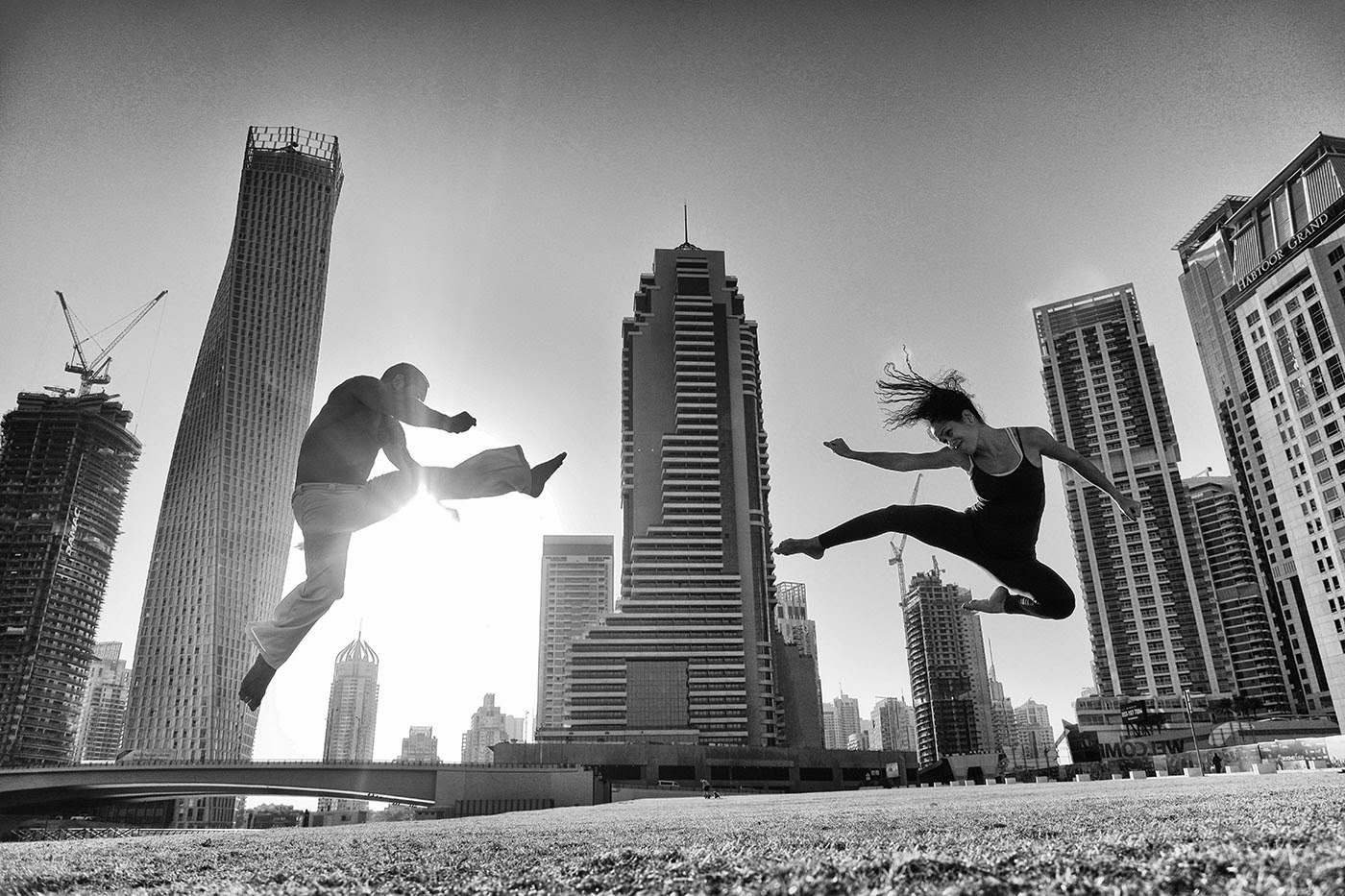
For a lot of seconds. As someone who has chased Olympic athletes for thirty years, I can tell you that while you don’t always need a high speed camera (there are definately times when you go for ONE frame!) when you do need it, there is no substitute. I shot recently with some athletes in Dubai and Oman, and the amazing thing when editing the images is to see how (for once!) little changes between frames, and when you find the one you want, you have a seriously sharp file to work with.

DB with the NX1 and my old Canon FD 135/2 (and yes, I did get a nap after I shot this!)
One last thing I love about the NX1: you can use your old glass, obviously in Manual Focus mode, on this camera. I have a few old lenses (135/2 and 200/1.8) of Canon FD glass that I still love. And with a small inexpensive adapter ring, I can use those lenses on the NX1. With the ‘focus peaking’ feature, you can tell when a Manual lens is sharp, by the way the edges of the subject light up, letting you know it’s “in the zone.” Going forward I’m looking at running my NX1 through the paces, but it feels rugged, it feels great in my hands, and at the end of the day I probably won’t need a trip to the chiropractor to put my shoulders back into place. We’re just sayin’…. David
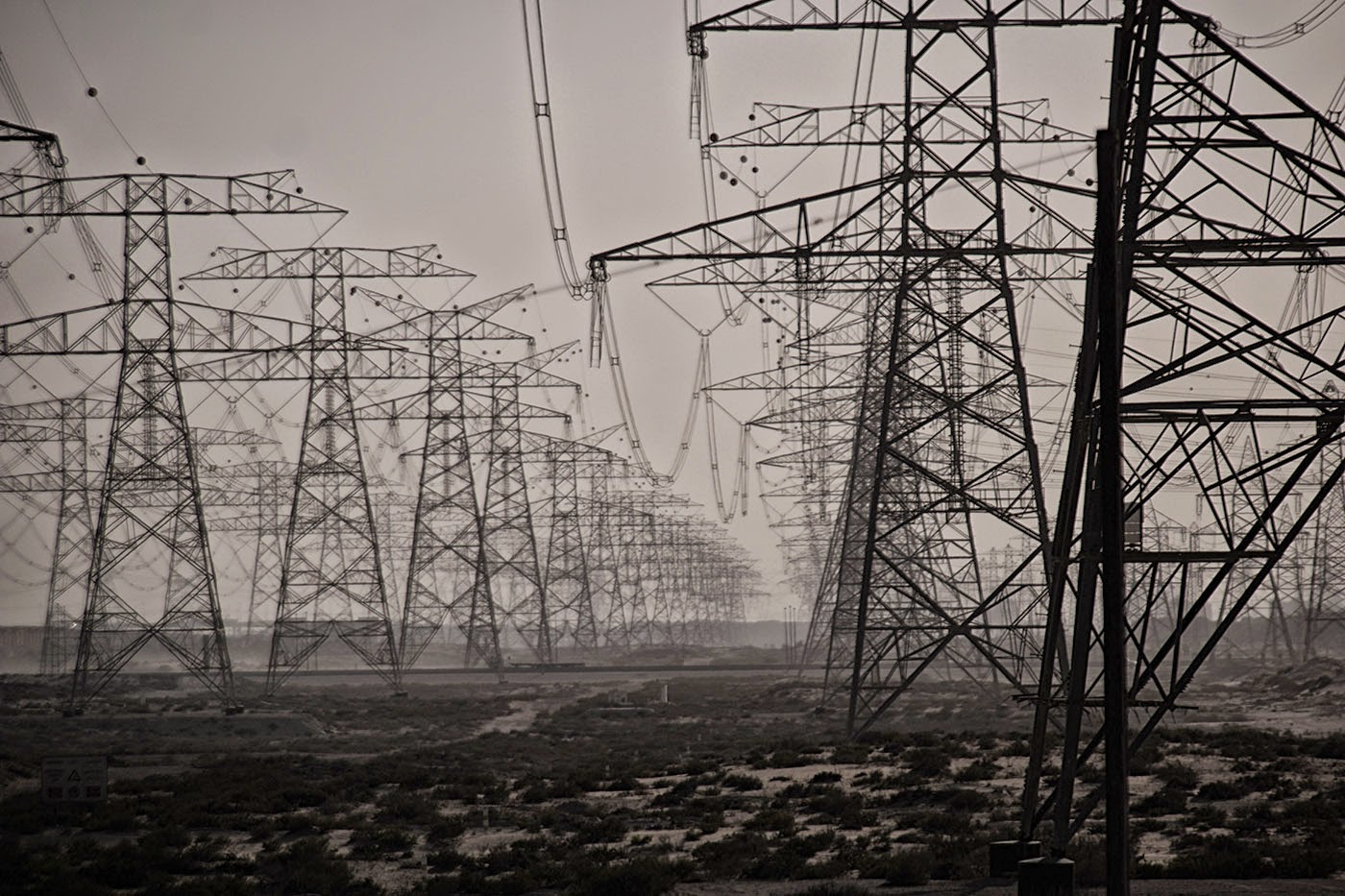
all photographs taken with Samsung NX1 with 18-200 zoom, 16-30 f/2 zoom, and 50-150/2.8 zoom
